Vickie Coulombe-Amyotrophic Lateral Sclerosis (ALS)-(Canadian)
 Patient Name: Vickie Coulombe
Gender: Female
Age: 43 years old
Nationality: Canadian
Diagnosis: Amyotrophic Lateral Sclerosis (ALS)
Condition on Admission:
The patient was admitted with a diagnosis of amyotrophic lateral sclerosis, mainly due to progressive weakness of the extremities accompanied by muscle atrophy and fasciculations for more than one year. She developed foot drop without obvious predisposing factors more than one year ago, and was diagnosed with amyotrophic lateral sclerosis at a local hospital. She had been treated with riluzole since then, with no obvious efficacy, and the disease had continued to progress. At present, her muscle strength of all extremities was significantly decreased, accompanied by muscle atrophy and fasciculations. The muscle strength of the upper limbs was even poorer: the strength of the upper arms and both hands was weak, with inability to grasp and difficulty performing fine motor activities. She had mild dysphagia and occasional choking when drinking water. Her physical capacity and endurance were markedly reduced; she was unable to stand up independently, maintained a standing position alone, or walk.
Admission Physical Examination:
The patient's respiratory rate was 20 breaths per minute, heart rate 73 beats per minute, and blood pressure 117/73 mmHg. She was 157 cm tall and weighed 50 kg. She had normal development and a normal body type. Her lips were not cyanotic, and her pharynx was not red or swollen. Breath sounds in both lower lungs were slightly diminished, with no obvious dry or moist rales heard. Her heart sounds were strong and regular, with no murmurs in any valve area. Her abdomen was flat and soft, and the liver and spleen were not palpable under the costal margin. There was no edema in both lower extremities.
Neurological Examination:
The patient was alert and in good spirits. Her speech was mildly slurred. Her calculation, memory, and orientation were basically normal. Both pupils were 3 mm in diameter, with brisk light reflexes. Her tongue was midline on protrusion, with mild atrophy and slow movement. She had weak buccal and masticatory muscles. Bilateral soft palate elevation was slightly weak, with the uvula deviated to the left. Muscle strength for neck rotation and shoulder shrugging was grade 3-. Left upper limb strength was grade 3, with grip and wrist strength grade 2; right upper limb strength was grade 3-, with grip and wrist strength grade 2-. She could not grasp with both hands and had difficulty flexing. Both lower limb strengths were grade 3-. She could not stand up from the bed by herself, had poor balance, and could not stand or walk independently, requiring significant assistance from others. Mild to moderate muscle atrophy was visible in all extremities, with occasional fasciculations. Sensation in all extremities was normal. Muscle tone was increased in all extremities. Tendon reflexes were hyperactive. Pathological reflexes were positive in all extremities. She could not complete finger-to-nose, finger-to-finger, or rapid alternating movements. Heel-to-shin testing of both legs was poorly performed. Meningeal irritation signs were negative.
Treatment Process:
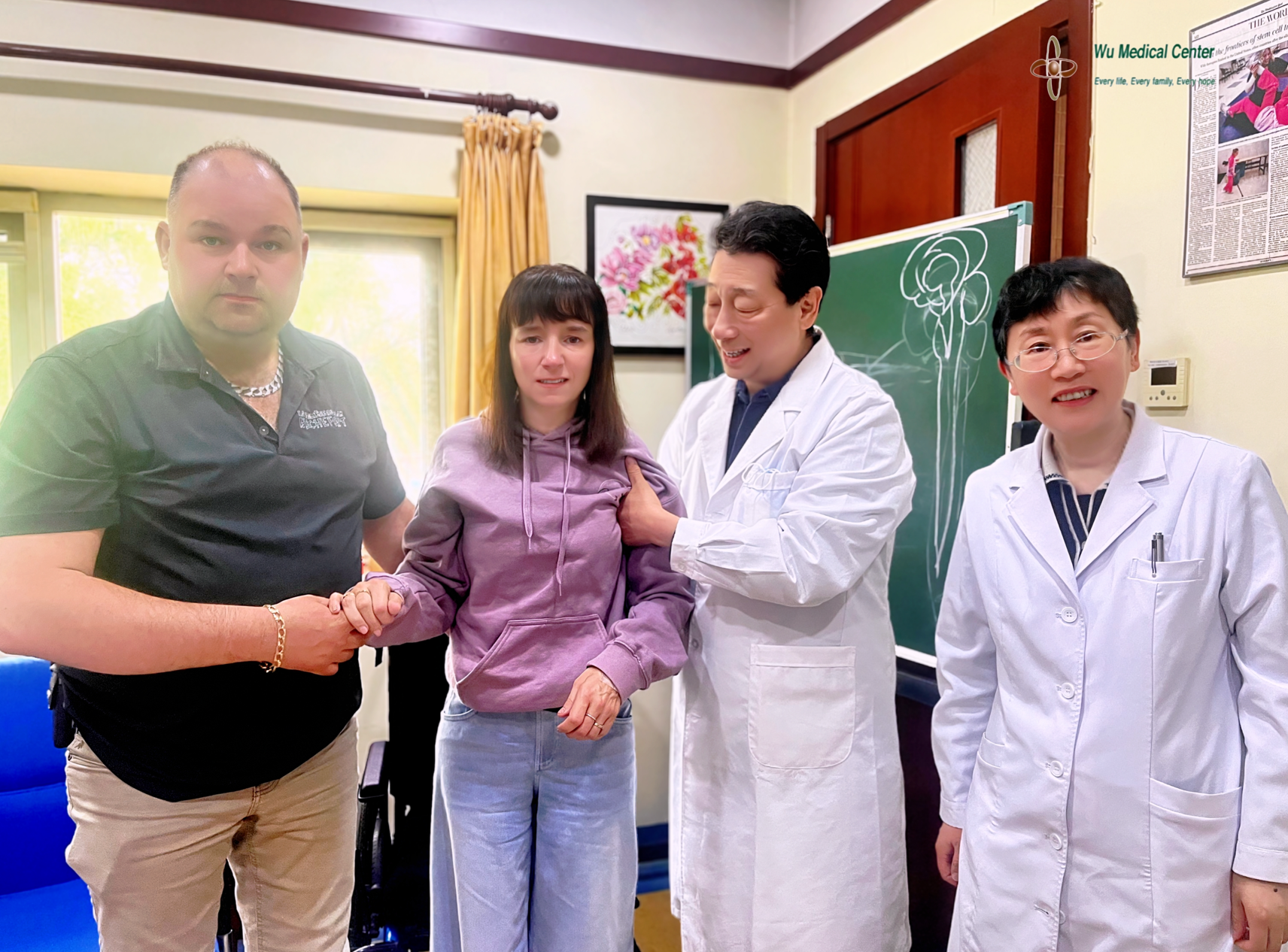
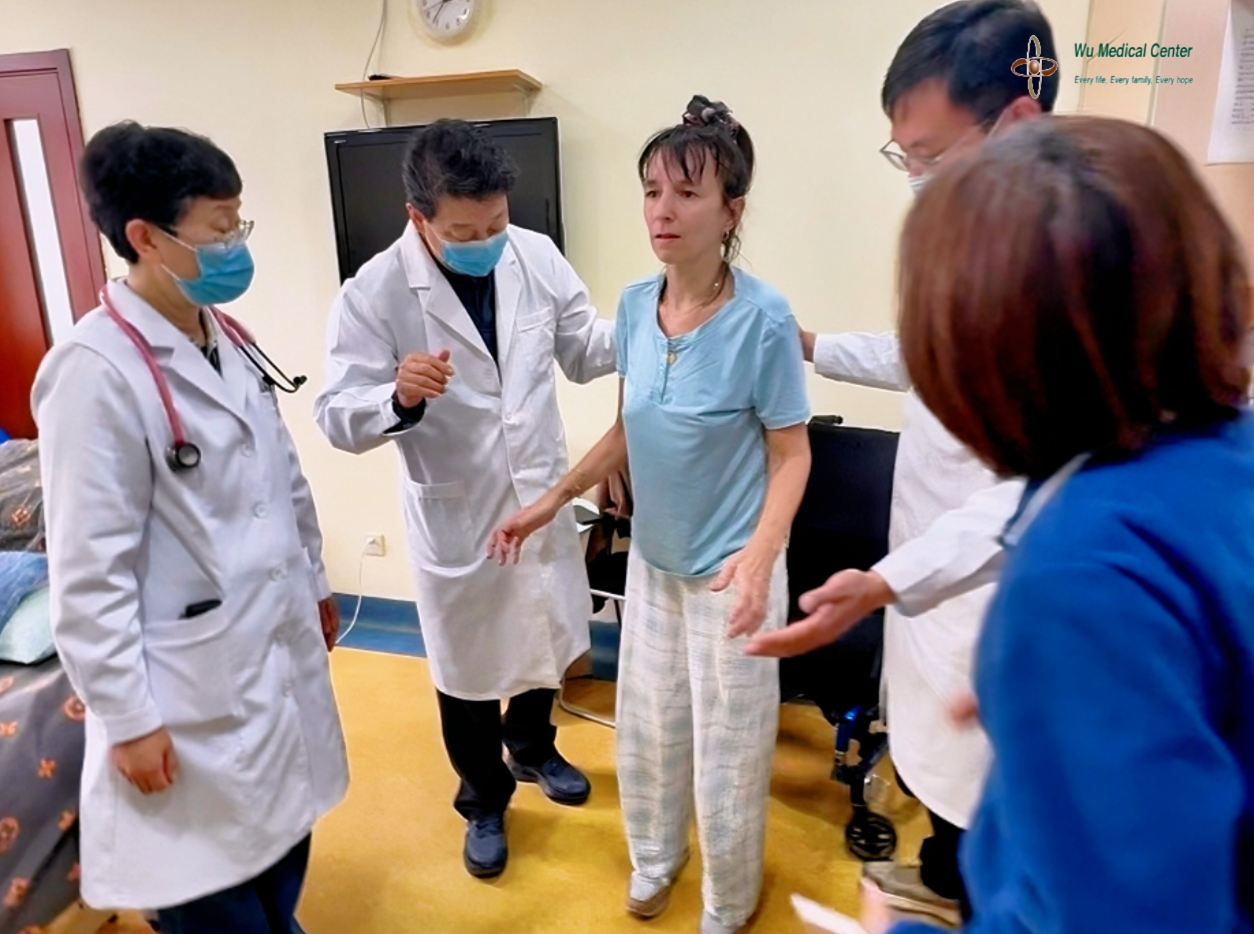
The patient was clearly diagnosed with "amyotrophic lateral sclerosis" upon admission. She was given neural stem cells to repair motor nerve damage, mesenchymal stem cells to provide neurotrophic, endocrine and immune support, adjuvant CAST treatment with drugs such as edaravone, riluzole, neurotrophic factors and reduced glutathione, and combined with comprehensive rehabilitation treatment.
Post-Treatment Condition:
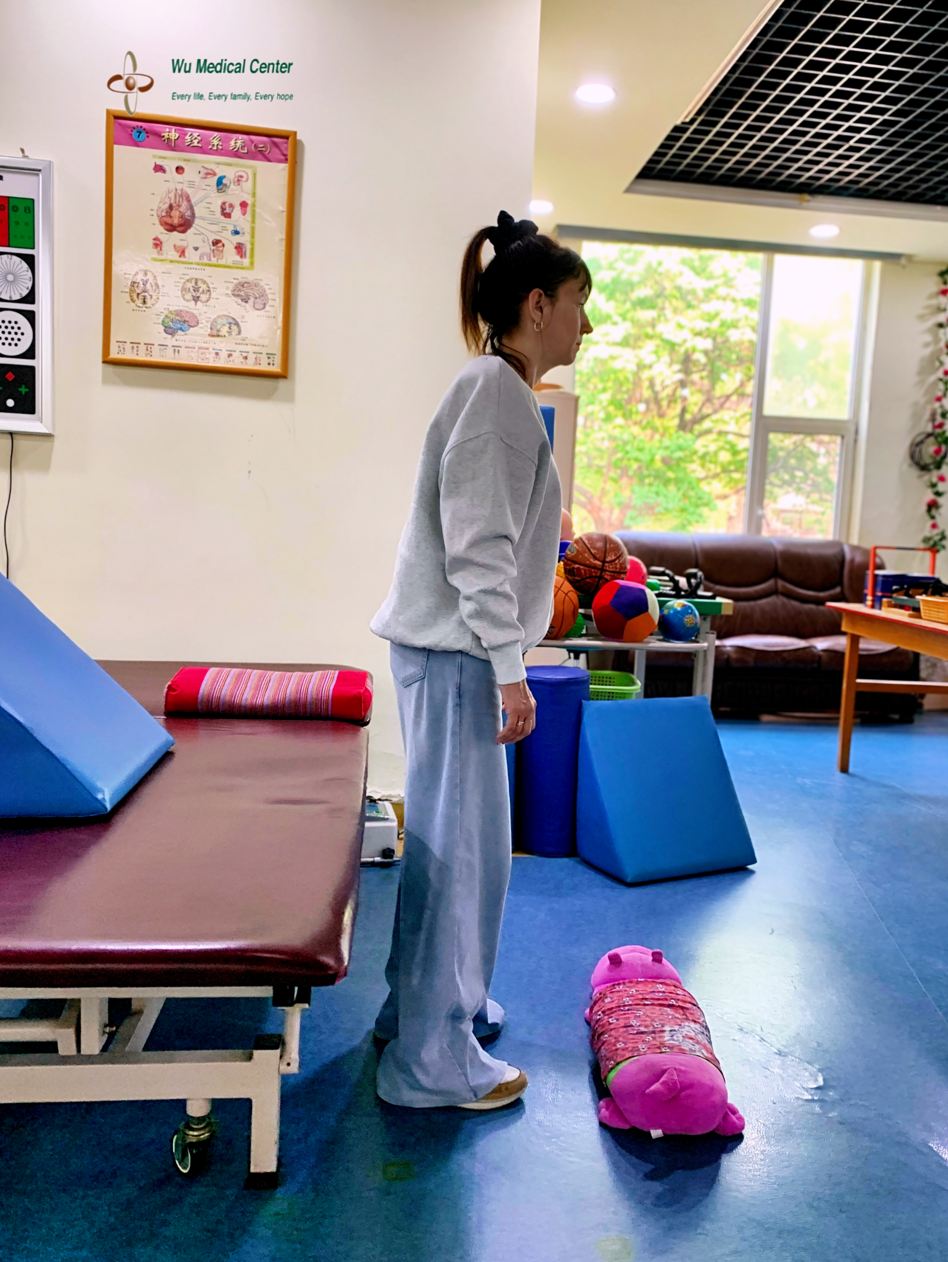
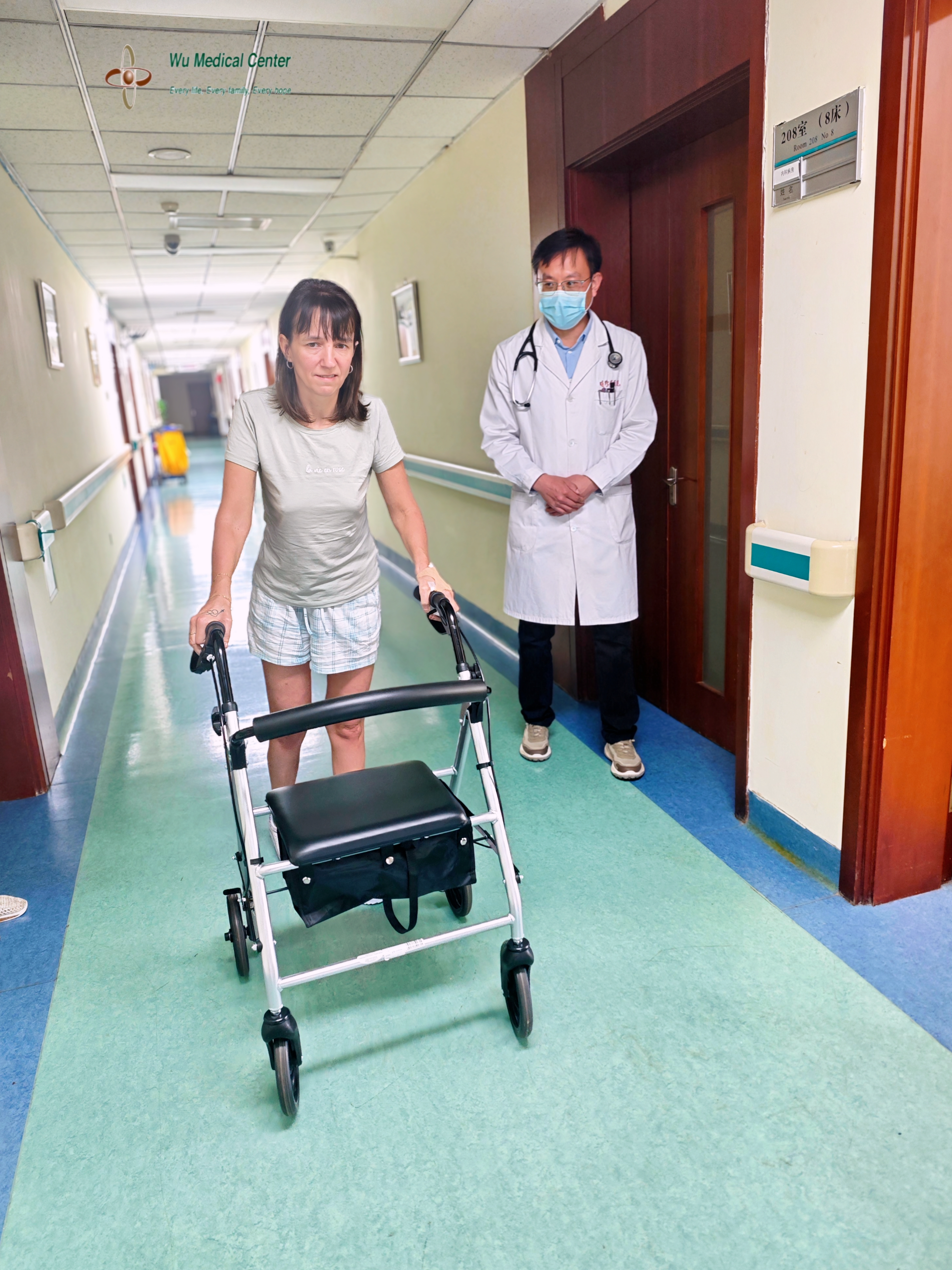
The patient feels that the disease has stopped progressing and her motor function has improved significantly. The muscle strength of her neck rotation and shoulder shrugging is grade 4-. The muscle strength of her upper limbs is improved: the muscle strength of her left upper limb is grade 4, with left hand grip and wrist strength grade 3+; the muscle strength of her right upper limb is grade 4-, with right hand grip and wrist strength grade 3. She can grasp others' fingers with both hands and resist a certain amount of resistance; her arms and wrists can also resist resistance, and lifting her arms is easier and more flexible than before. The flexibility of fine movements of her fingers is significantly improved compared with that upon admission; she can use a mobile phone and complete the writing of some words and characters. Her waist and abdominal muscle strength and lower limb strength are increased to about grade 4; she can stand up from a low sitting position with slight assistance, and her control ability when sitting down from a standing position is improved. She can stand independently for more than five minutes; her walking ability is improved, she can basically walk independently, walk more stably than before, her balance ability is improved, and she can walk a longer distance of more than 50 meters with a walker. Her mental state, physical fitness and endurance all are improved.