Eva Slavská-Amyotrophic Lateral Sclerosis (ALS)-(Slovak)
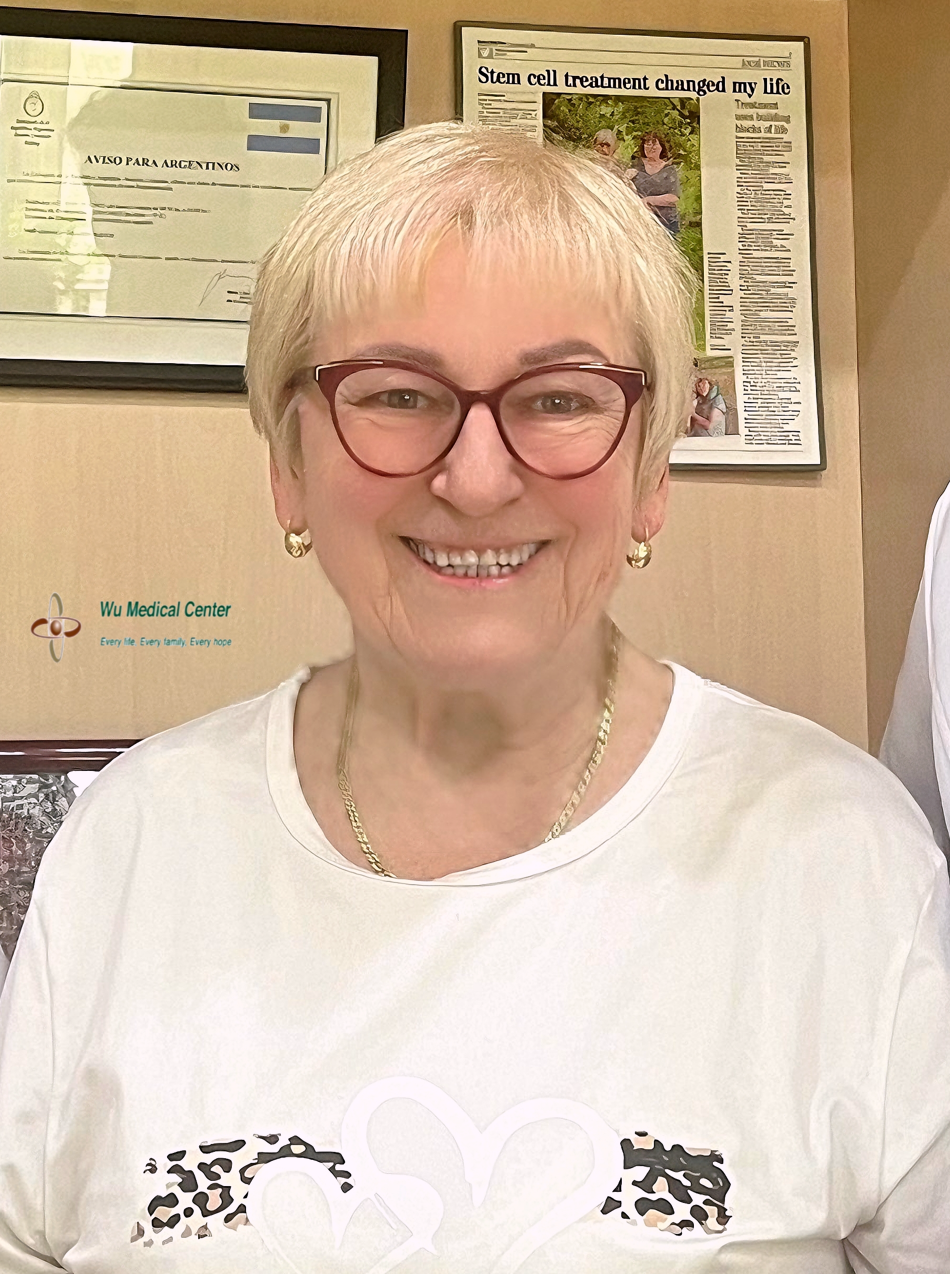 Patient Name: Eva Slavská
Gender: Female
Age: 68 years old
Nationality: Slovak
Diagnosis: Amyotrophic Lateral Sclerosis (ALS)
Admission Presentation:
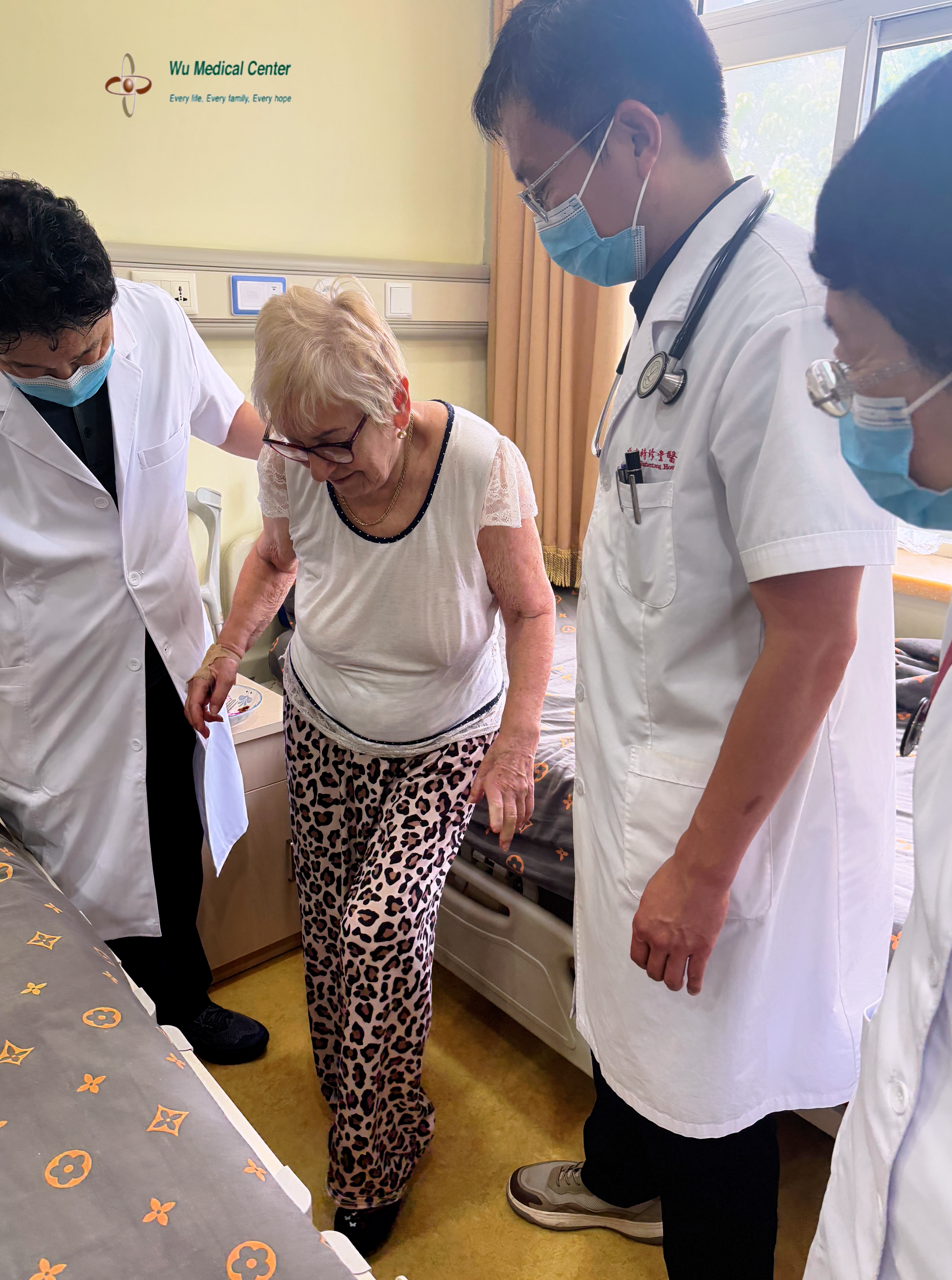
The patient was admitted mainly due to progressive weakness of limbs accompanied by muscle atrophy for more than 5 years. She developed limb weakness and muscle atrophy after contracting COVID-19 five years ago, and was diagnosed with amyotrophic lateral sclerosis at a local hospital, yet she received no pharmaceutical treatment. Her condition progressed continuously. At present, muscle strength of all four limbs was decreased; she could barely complete fine motor movements with both hands. Her physical stamina and endurance had markedly declined, she could not stand independently, and she was unable to walk unassisted.
Admission Physical Examination:
Respiratory rate: 20 breaths per minute; heart rate: 88 beats per minute; blood pressure: 120/84 mmHg. The patient has normal physical development and normosthenic body type. No cyanosis of lips, no pharyngeal congestion or swelling. Thoracic respiratory excursion was basically normal; breath sounds were clear in both lower lungs, with no obvious dry or moist rales heard. Heart sounds were slightly low with regular rhythm; no murmurs were detected over each cardiac valve area. Abdomen was flat and soft; liver and spleen were not palpable below the costal margin. No edema was present in bilateral lower extremities.
Neurological Examination:
The patient was alert with fair mental status. Her speech was basically clear. Calculation, memory and orientation functions were all intact. Bilateral pupils were 3 mm in diameter with brisk light reflexes. Bilateral nasolabial folds and forehead wrinkles were symmetrical; tongue protruded in midline, without obvious tongue muscle atrophy, and tongue movement was normal. Cheek puffing was forceful, and masticatory strength was normal. Bilateral soft palates elevated vigorously, and uvula was midline. No obvious dysphagia or choking during drinking water was observed. Muscle strength for neck rotation and shoulder shrugging was grade 4+. Bilateral upper arm muscle strength was grade 3; bilateral hand grip and wrist muscle strength were grade 2+. Finger dexterity of both hands was poor, with obvious atrophy of thenar, hypothenar and first web space muscles. Proximal muscle strength of the left lower limb was grade 3-, distal strength grade 2-, and left foot muscle strength grade 0; proximal and distal muscle strength of the right lower limb was grade 3. She struggled to stand on both legs, could not stand on one leg, walked unsteadily, and was basically unable to walk independently. Muscle atrophy was visible in all four limbs with unremarkable fasciculations; superficial sensation of all limbs was basically normal. Muscle tone of all limbs was basically normal. Deep tendon reflexes of all limbs were diminished. Bilateral pathological reflexes were negative. Finger-to-nose test of both hands was completed slowly and clumsily; finger-to-finger coordination test was clumsy with slow movement, and the little fingers could not touch each other. Rapid alternating movements of both hands were awkward. Heel-knee-shin test of bilateral lower limbs was poorly performed, with worse performance on the left leg. Meningeal irritation signs were negative.
Treatment Course:
Admission diagnosis of amyotrophic lateral sclerosis was confirmed. During hospitalization, neural stem cells were administered to repair damaged motor nerves, and mesenchymal stem cells were applied to provide neurotrophic, endocrine and immune support. Adjuvant CAST therapy was carried out with medications including Edaravone, neurotrophic factors, monosialotetrahexosylganglioside and reduced glutathione, combined with comprehensive rehabilitation therapy.
Post-Treatment Outcome:
The patient’s motor function is improved significantly. Bilateral upper arm muscle strength is recovered to grade 4; she can steadily lift her arms above the vertex with markedly accelerated lifting and abduction speed. Bilateral hand grip and wrist muscle strength reaches grade 3+. She can grasp other people’s fingers and resist moderate resistance. Fine motor ability of fingers and wrists of both hands is improved; performance of bilateral finger-to-finger test is enhanced, and all fingers can complete mutual touching. Speed of rapid alternating movements is increased. Lumbar and abdominal muscle strength is improved; transferring from sitting on bed to standing up is faster and more flexible compared with admission. Left lower limb muscle strength is recovered to grade 3+, and right lower limb muscle strength to grade 4+. She can stand independently for a longer duration with improved walking flexibility and speed, and can maintain single-leg standing for approximately 3 seconds. Cardiopulmonary function is elevated, with resting heart rate mostly maintained at 75 beats per minute. Physical energy, stamina and exercise endurance are ameliorated.